
Introduction
In the fast-growing digital marketplace, simply owning an eCommerce website is no longer sufficient.Thousands of online stores compete for customer attention every day. What truly sets a successful online store apart is custom UI/UX design for eCommerce website.
A well-designed eCommerce website is not just about attractive visuals — it is about creating a smooth, engaging, and conversion-focused shopping experience. Companies like Amazon and Shopify dominate the market not only because of their product range but because of their seamless user experience and intuitive design.
In this detailed guide, we will explore everything about custom UI/UX design for eCommerce websites — from importance and benefits to best practices, trends, and optimization strategies.
What is Custom UI/UX Design?
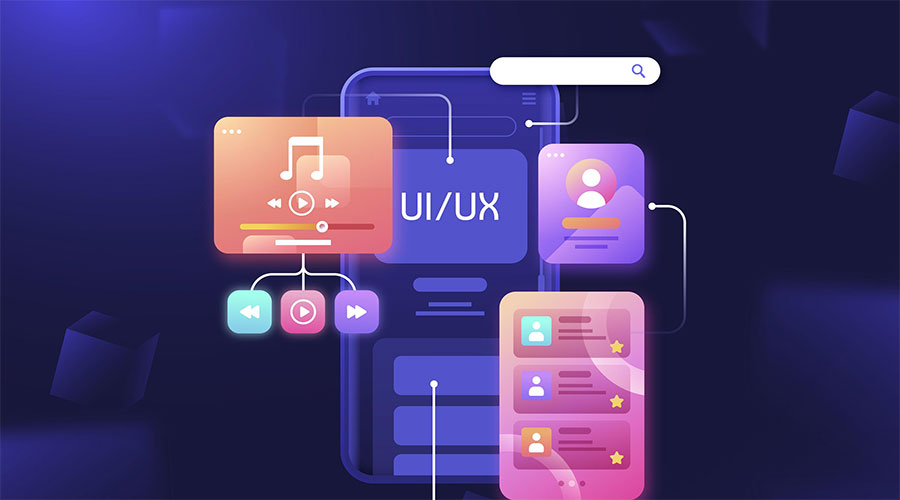
Before diving deeper, let’s understand the difference between UI and UX:
- UI (User Interface) refers to the visual design elements such as colors, typography, buttons, layouts, and images.
- UX (User Experience) focuses on how users interact with the website — navigation, ease of checkout, speed, usability, and overall satisfaction.
Custom UI/UX design means designing the website specifically according to your brand, audience, and business goals rather than using generic templates.
Why Custom UI/UX Design is Crucial for eCommerce
1. First Impressions Matter
Your website is your digital storefront.Studies indicate that visitors form an opinion about a website in just a few seconds, deciding instantly whether to continue browsing or exit.. A visually appealing and user-friendly design builds trust immediately.
2. Improves Conversion Rates
A strategically designed checkout process reduces cart abandonment. Simplified navigation and clear call-to-action buttons directly increase sales.
3. Builds Brand Identity
Custom UI/UX design reflects your brand personality. Custom design gives your brand a distinctive identity that sets it apart from generic, template-driven stores.
4. Enhances Customer Satisfaction
Easy navigation, fast loading pages, and mobile responsiveness make shopping enjoyable, encouraging repeat customers.
Key Elements of Custom UI/UX Design for eCommerce Website
1. User-Centered Design
Understanding your target audience is the foundation of effective UX design. Analyze:
- User behavior
- Shopping patterns
- Demographics
- Device usage
Design decisions should always revolve around user needs.
2. Mobile-First Approach
With mobile shopping increasing rapidly, designing for smartphones first is essential. Platforms like Apple emphasize clean interfaces and minimalistic design principles that work beautifully on smaller screens.
Key mobile design principles:
- Large tap-friendly buttons
- Easy scrolling
- Quick loading pages
- Simple checkout
3. Simple & Intuitive Navigation
Complicated menus frustrate users. A clean navigation structure includes:
- Clear categories
- Search bar with filters
- Breadcrumb navigation
- Visible cart icon
Users should reach any product within 3 clicks.
4. High-Quality Visuals
Product images significantly impact buying decisions. Use:
- High-resolution images
- Zoom functionality
- 360-degree product views
- Lifestyle photos
Visual storytelling increases engagement and trust.
5. Fast Loading Speed
Slow websites lose customers. Optimized images, lightweight code, and reliable hosting ensure smooth performance.
6. Streamlined Checkout Process
One of the most important aspects of eCommerce UX design is checkout optimization.
Best practices:
- Guest checkout option
- Minimal form fields
- Multiple payment methods
- Secure payment badges
Companies like PayPal build trust by offering secure and easy payment systems.
Benefits of Custom UI/UX Design
1. Higher Customer Retention
When users enjoy browsing, they return. Positive experiences create loyalty.
2. Reduced Cart Abandonment
Simplified checkout and transparent pricing reduce drop-offs.
3. Better SEO Performance
Good UX improves dwell time and reduces bounce rate, indirectly boosting search engine rankings.
4. Competitive Advantage
Custom design differentiates your store from competitors using common templates.
Custom UI vs Template Design
| Custom UI/UX | Template-Based Design |
| Unique brand identity | Generic appearance |
| Fully customizable | Limited customization |
| Optimized for conversions | Standard layout |
| Scalable | Restricted flexibility |
If your goal is long-term growth, custom design is always a better investment.
Latest Trends in eCommerce UI/UX Design
1. Minimalistic Design
Clean layouts with white space improve readability and focus attention on products.
2. Micro-Interactions
Small animations when clicking buttons or adding items to the cart enhance user engagement.
3. AI-Powered Personalization
Personalized product recommendations based on browsing history improve conversions.
4. Voice Search Optimization
With voice assistants becoming popular, integrating voice search improves accessibility.
5. Dark Mode Design
Dark mode reduces eye strain and looks modern, especially for fashion and tech stores.
Step-by-Step Process to Create Custom UI/UX Design for eCommerce Website
Step 1: Research & Strategy
Understand business goals and audience behavior.
Step 2: Wireframing
Create layout structure without visual elements.
Step 3: UI Design
Add brand colors, typography, icons, and visual identity.
Step 4: Prototyping
Test interactive models before development.
Step 5: Development
Convert design into a fully functional website.
Step 6: Testing & Optimization
Conduct usability testing and A/B testing for continuous improvement.
Common Mistakes to Avoid
- Overloading homepage with content
- Complicated checkout process
- Poor mobile optimization
- Lack of product information
- Slow website speed
Avoiding these mistakes ensures a smooth user journey.
How Custom UI/UX Impacts Conversion Rate
Custom design enhances:
- Trust
- Emotional connection
- Ease of purchase
- Faster decision-making
When users feel comfortable navigating your store, they are more likely to complete purchases.
Cost of Custom UI/UX Design
The cost depends on:
- Project complexity
- Number of pages
- Features required
- Integration needs
While custom design may seem expensive initially, it offers better ROI in the long run.
Why Hire Professional UI/UX Designers?
Professional designers understand:
- User psychology
- Conversion optimization
- Branding strategy
- Technical limitations
They ensure your eCommerce website is both beautiful and functional.
Future of eCommerce UI/UX Design
The future includes:
- Augmented Reality shopping
- Advanced personalization
- Faster checkout systems
- AI chat support
- Immersive shopping experiences
Brands investing in innovative UI/UX will dominate the digital marketplace.
Final Thoughts
Custom UI/UX design for eCommerce website is not just about design — it is about strategy, psychology, branding, and technology combined.
A well-designed eCommerce store builds trust, increases conversions, and ensures long-term business success. Instead of relying on generic templates, investing in custom UI/UX design provides a competitive edge and creates memorable shopping experiences.
If you want your online store to stand out, improve engagement, and maximize revenue, custom UI/UX design is the key to digital success.
