
Introduction
In the digital era, eCommerce has become one of the most competitive business spaces. Customers today have endless choices, and if an online store fails to provide a smooth and enjoyable experience, users quickly move on to another website. This is why UI/UX design for eCommerce websites is no longer optional—it is essential. A well-designed eCommerce website not only looks attractive but also guides users effortlessly from browsing to checkout.
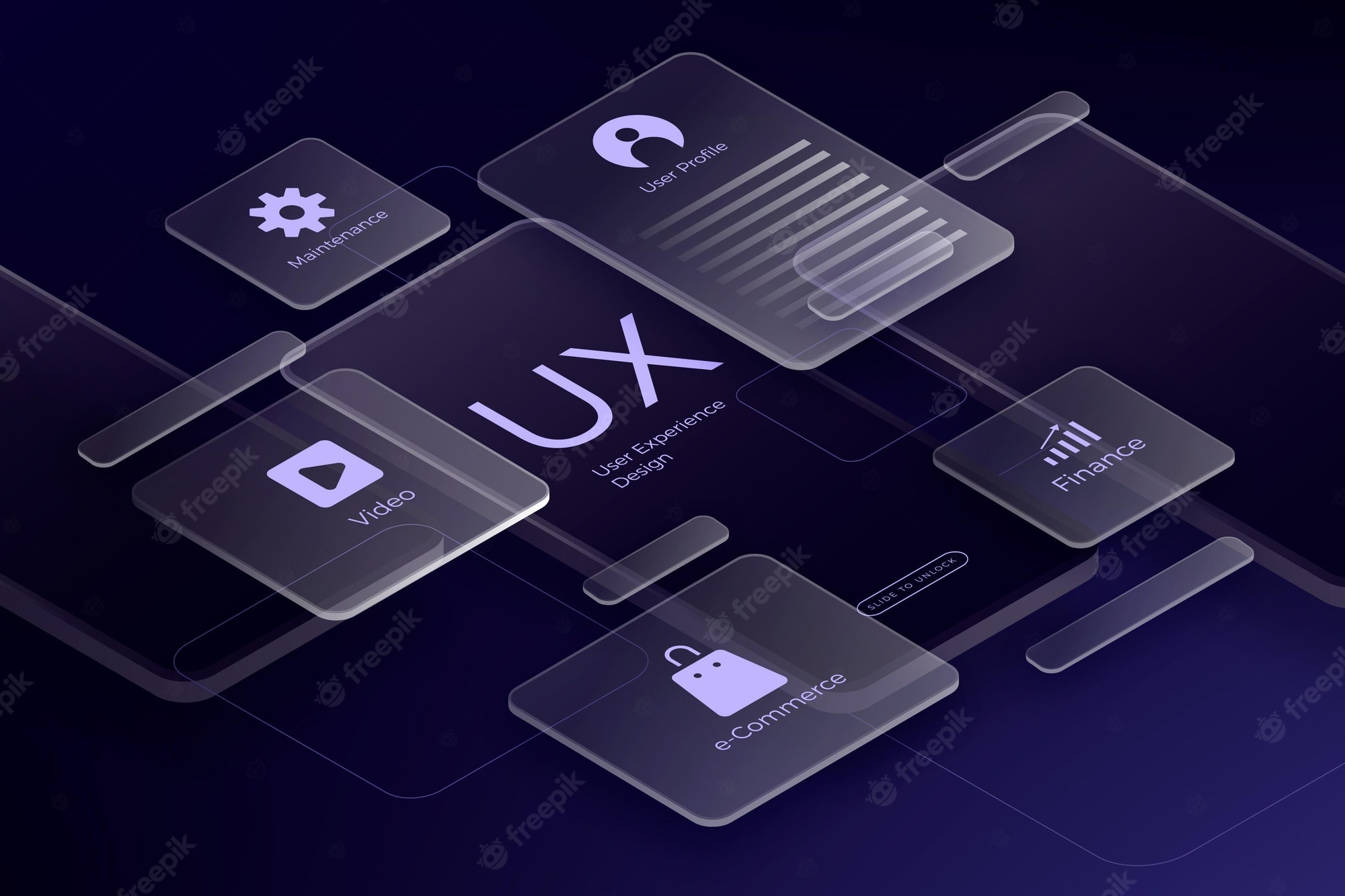
UI (User Interface) and UX (User Experience) together define how customers interact with an online store. From the first impression on the homepage to the final payment confirmation, every interaction matters. This detailed blog explains the role of UI/UX design in eCommerce, key principles, best practices, latest trends, common mistakes, and how good design directly impacts sales, customer trust, and brand growth.
Understanding UI/UX Design in eCommerce
UI design focuses on the visual aspects of an eCommerce website. It includes layout, color schemes, typography, buttons, icons, product images, and overall visual consistency. UI design ensures that the website looks professional, modern, and aligned with the brand identity.
UX design, on the other hand, is concerned with the overall experience a user has while interacting with the website. It focuses on usability, navigation flow, page speed, accessibility, and ease of completing tasks. UX design aims to reduce friction and make the shopping journey smooth and intuitive.
When UI and UX work together effectively, users feel comfortable, confident, and motivated to make purchases.
Importance of UI/UX Design for eCommerce Websites
A well-designed eCommerce website significantly improves conversion rates. When users can easily find products, understand pricing, and complete checkout without confusion, they are more likely to buy.
UI/UX design also plays a key role in building trust and credibility. A clean and professional design reassures users that the website is secure and reliable. Poor design, broken layouts, or confusing navigation often create doubt and lead to high bounce rates.
Customer retention is another major benefit of good UI/UX design. A positive shopping experience encourages repeat visits and long-term loyalty. Users remember websites that are easy to use and enjoyable.
Cart abandonment is a common problem in eCommerce, often caused by complex checkout processes, slow loading pages, or unexpected costs. UX-focused design helps minimize these issues by simplifying the purchase journey.
Strong UI/UX design also supports brand identity. Consistent colors, fonts, and design elements create a recognizable and memorable brand presence.
Core Principles of UI/UX Design for eCommerce Websites
Simplicity is one of the most important principles. A clutter-free layout helps users focus on products and important actions without distraction. Clear content structure improves readability and usability.
Consistency across all pages creates familiarity and trust. When navigation menus, buttons, and layouts remain consistent, users feel more confident while browsing.
Mobile responsiveness is critical, as a large percentage of online shoppers use smartphones. A mobile-friendly design ensures smooth navigation, readable text, and easy interactions on smaller screens.
Visual hierarchy guides users naturally through the website. Important elements such as product names, prices, offers, and call-to-action buttons should stand out clearly.
Accessibility ensures that all users, including those with disabilities, can use the website easily. Inclusive design expands reach and improves overall user satisfaction.
Essential UI Elements in eCommerce Websites
The homepage acts as the digital storefront. It should clearly communicate the brand message, highlight key products or offers, and provide easy access to categories and search functionality.
Navigation plays a crucial role in usability. Simple menus, logical category structures, and clear labels help users find what they are looking for without effort.
Product listing pages should display high-quality images, clear pricing, and essential information at a glance. Filters and sorting options improve browsing efficiency, especially for large catalogs.
Product detail pages are where purchase decisions are made. These pages should include multiple product images, zoom options, detailed descriptions, specifications, reviews, ratings, and a prominent add-to-cart button.
Checkout and payment pages should be simple, secure, and fast. Reducing form fields, offering guest checkout, and providing multiple payment options increase completion rates.
UX Best Practices for eCommerce Websites
Fast loading speed is essential for user satisfaction. Slow websites frustrate users and increase bounce rates. Optimizing images and improving performance should be a top priority.
Search functionality should be accurate and intelligent. Features such as auto-suggestions and relevant filters help users find products quickly.
The checkout flow should be smooth and distraction-free. Removing unnecessary steps and providing clear progress indicators improves the user experience.
Clear feedback and error handling are important. Users should receive confirmation messages for successful actions and helpful guidance when errors occur.
Personalization enhances engagement by showing relevant product recommendations based on user behavior and preferences.
Latest UI/UX Trends in eCommerce Design
Minimalist design continues to dominate eCommerce UI/UX. Clean layouts with ample white space make content more readable and visually appealing.
Microinteractions such as hover effects, animations, and subtle transitions improve user engagement and make interactions feel more responsive.
Dark mode design is gaining popularity for its modern look and reduced eye strain, especially during long browsing sessions.
AI-powered UX features such as chatbots, smart recommendations, and predictive search enhance customer support and personalization.
Voice and visual search technologies are changing how users discover products, making shopping faster and more convenient.
Common UI/UX Mistakes in eCommerce Websites
Overcrowded layouts make websites difficult to understand and navigate.
Poor mobile optimization results in lost customers and lower conversions.
Complicated checkout processes increase cart abandonment rates.
Inconsistent design elements reduce trust and brand recognition.
Unclear call-to-action buttons confuse users and impact sales.
Ignoring user feedback prevents continuous improvement.
Impact of UI/UX Design on SEO and Marketing
Good UI/UX design indirectly improves search engine rankings. Websites with lower bounce rates, higher engagement, faster load times, and strong mobile usability perform better in search results.
A positive user experience also supports digital marketing efforts by increasing conversions from paid ads, social media traffic, and email campaigns.
Tools for UI/UX Design in eCommerce
Popular tools used by designers include Figma, Adobe XD, Sketch, InVision, Hotjar, and Google Analytics. These tools help design, test, analyze, and optimize user experiences effectively.
Future of UI/UX Design for eCommerce Websites
The future of eCommerce UI/UX lies in immersive and personalized experiences. Augmented reality product previews, virtual try-ons, AI-driven personalization, and omnichannel experiences will define the next phase of online shopping.
Businesses that invest in advanced UI/UX design strategies will stay ahead of competitors and build stronger customer relationships.
Conclusion
UI/UX design for eCommerce websites is a key driver of online success. A visually appealing interface combined with a smooth and intuitive user experience builds trust, improves conversions, and encourages long-term loyalty. By focusing on user needs, simplicity, performance, and modern design trends, businesses can create eCommerce websites that truly convert visitors into customers.
